
Are you aware of what you’re really covered for when you sign up for health insurance? Many individuals and families sign up for insurance without fully understanding the coverage details and policies that come with it.
Understanding health insurance coverage details is crucial in making informed decisions about your health insurance policies. Without a clear grasp of what your insurance covers, you might end up with unexpected medical bills or insufficient care when you need it most.
This comprehensive guide aims to demystify the complexities of health insurance, providing you with a clearer understanding of how health insurance really works and helping you navigate the often-confusing world of insurance policies.
Key Takeaways
- Understanding the basics of health insurance is crucial for making informed decisions.
- Knowing your coverage details can save you from unexpected medical bills.
- A comprehensive guide can help demystify the complexities of health insurance.
- Being aware of your insurance policies can ensure you get the care you need.
- Navigating health insurance requires a clear understanding of the policies and coverage.
The Fundamentals of Health Insurance
Understanding the basics of health insurance is essential for making informed decisions about your healthcare coverage. Health insurance is designed to provide financial protection against medical expenses, ensuring that you and your family can access necessary care without facing financial hardship.
The Purpose and Function of Health Insurance
The primary purpose of health insurance is to mitigate the financial risk associated with medical care. By pooling resources from a large group of people, health insurance companies can provide coverage for expensive medical procedures and treatments, making healthcare more affordable for everyone.
Key Terminology You Need to Know
To navigate the complex world of health insurance, it’s crucial to understand key terminology. Health insurance plan benefits refer to the services and treatments covered under your insurance plan.
Common Insurance Terms Defined
Some common terms include premium, deductible, and coinsurance. Your health insurance premium costs are the monthly payments you make to maintain coverage.
Important Acronyms Explained
Acronyms like HMO (Health Maintenance Organization) and PPO (Preferred Provider Organization) are commonly used in health insurance. Understanding these terms can help you choose the right plan.
Risk Pooling: The Core Concept
pooling is fundamental to how health insurance works. By spreading risk across a large pool of insured individuals, health insurance companies can offer more affordable coverage. This concept is critical in understanding how health insurance deductible explained works, as it affects your out-of-pocket expenses.
How Health Insurance Really Works: The Complete Breakdown
Understanding the intricacies of health insurance is crucial for making informed decisions about your healthcare coverage. Health insurance involves a complex interplay of various factors, including premium cycles, provider networks, and claims processing.
The Insurance Premium Cycle
The insurance premium cycle refers to the process by which insurance companies collect premiums from policyholders and use these funds to cover healthcare costs. This cycle is fundamental to how health insurance operates, as it allows insurers to pool risk and provide financial protection against medical expenses.
The Relationship Between Insurers, Providers, and Patients
The relationship between insurers, healthcare providers, and patients is central to the functioning of health insurance. Insurers negotiate rates with providers, creating networks that offer discounted services to patients who are insured.
How Provider Networks Function
Provider networks are groups of healthcare providers who have contracted with an insurance company to offer services at negotiated rates. These networks can vary in size and scope, affecting patients’ access to care.
The Role of Insurance Companies
Insurance companies play a pivotal role in managing healthcare costs by negotiating with providers, processing claims, and determining coverage levels. Their role is crucial in ensuring that patients receive necessary care while controlling costs.

How Your Healthcare Dollars Are Spent
Healthcare dollars are allocated across various services, including preventive care, treatments, and administrative costs. Understanding how these dollars are spent can help policyholders appreciate the value of their insurance coverage.
Types of Health Insurance Plans
Health insurance plans come in various forms, each with its unique benefits and drawbacks. Understanding these differences is crucial for selecting the plan that best fits your needs.
HMOs vs. PPOs vs. EPOs vs. POS Plans
There are several types of health insurance plans available, including Health Maintenance Organizations (HMOs), Preferred Provider Organizations (PPOs), Exclusive Provider Organizations (EPOs), and Point of Service (POS) plans. Each type offers different levels of flexibility and cost.
Comparing Plan Flexibility and Costs
HMOs typically offer lower premiums but have a more limited network and require referrals for specialists. PPOs, on the other hand, offer more flexibility in choosing healthcare providers but at a higher cost.
| Plan Type | Flexibility | Cost |
|---|---|---|
| HMO | Limited network, referrals required | Lower premiums |
| PPO | More provider choices, no referrals needed | Higher premiums |
| EPO | No out-of-network coverage except in emergencies | Moderate premiums |
| POS | Combines HMO and PPO features | Varies |
Which Plan Type Fits Your Needs
Choosing the right plan depends on your healthcare needs and budget. If you value flexibility and are willing to pay more, a PPO might be the best choice. For those on a tighter budget with predictable medical needs, an HMO could be more suitable.
High-Deductible Health Plans and HSAs
High-Deductible Health Plans (HDHPs) offer lower premiums but higher deductibles. They are often paired with Health Savings Accounts (HSAs), which allow you to save pre-tax dollars for medical expenses.
Medicare, Medicaid, and Government Insurance Options
Medicare and Medicaid are government programs that provide health insurance to specific populations, such as seniors and low-income individuals. Understanding the eligibility and benefits of these programs is essential.
Employer-Sponsored vs. Individual Market Plans
Employer-sponsored plans are offered through your workplace, often with employer contributions to premiums. Individual market plans, purchased directly by individuals, offer more control over plan selection but may lack employer contributions.
Understanding Health Insurance Costs
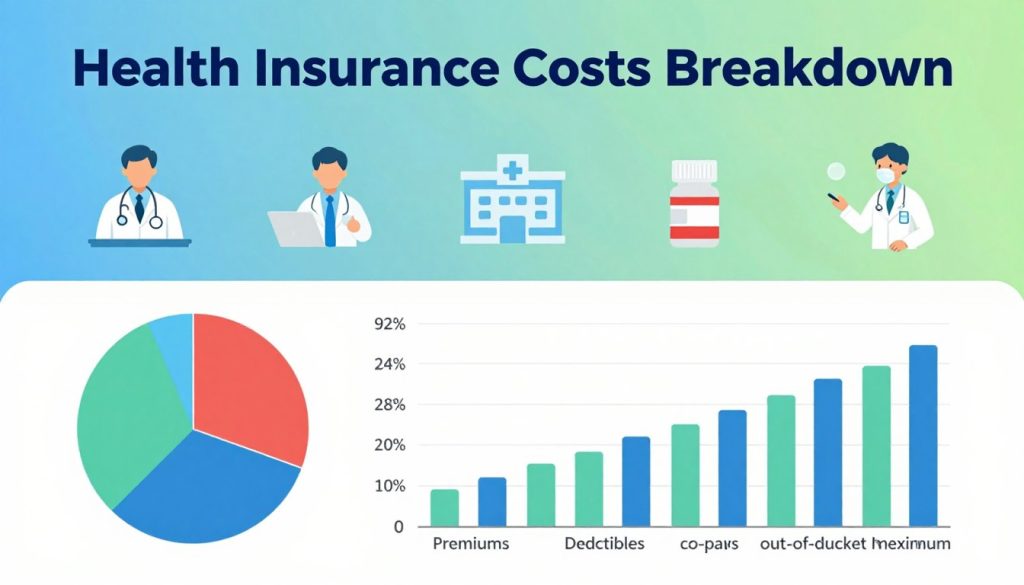
Understanding the intricacies of health insurance costs is crucial for making informed decisions about your coverage. Health insurance costs encompass various components, including premiums, deductibles, copayments, and coinsurance.
Premiums: What Determines Your Monthly Payment
Your monthly premium is the amount you pay to maintain health insurance coverage. Several factors influence premium costs, such as age, location, and the type of plan chosen. Insurers use complex algorithms to determine premiums, taking into account the level of coverage, deductible, and other factors. For instance, a plan with a higher deductible typically has a lower premium, while a plan with comprehensive coverage has a higher premium.
Deductibles, Copayments, and Coinsurance Explained
In addition to premiums, other costs associated with health insurance include deductibles, copayments, and coinsurance. A deductible is the amount you must pay out-of-pocket before your insurance kicks in. Copayments are fixed fees for specific services, such as doctor visits or prescriptions. Coinsurance, on the other hand, is a percentage of the costs you pay after meeting your deductible. For example, if your insurance plan has a 20% coinsurance, you’ll pay 20% of the medical bill, while your insurer covers the remaining 80%.
Out-of-Pocket Maximums and How They Protect You
An out-of-pocket maximum is the maximum amount you’ll pay for healthcare expenses within a calendar year. Once you reach this limit, your insurance plan covers 100% of eligible expenses. This safeguard protects you from financial ruin in the event of a catastrophic medical emergency. For instance, if your out-of-pocket maximum is $7,000, you’ll pay no more than that amount in a given year.
The True Cost of Being Uninsured
Going without health insurance can have severe financial consequences.
“The uninsured are more likely to delay or forego necessary medical care, leading to more severe health problems and higher costs in the long run.”
Financial Risks Without Coverage
Without insurance, you’ll be responsible for paying all medical expenses out-of-pocket, which can be financially devastating. Medical bills can quickly add up, leading to financial strain and even bankruptcy.
Penalty Considerations
Although the individual mandate penalty was repealed at the federal level, some states have implemented their own penalties for not having health insurance. It’s essential to understand the regulations in your state to avoid any potential penalties.
Navigating Coverage and Benefits
Understanding your health insurance plan’s coverage and benefits is crucial for making informed decisions about your healthcare. With the numerous options available, it’s easy to get lost in the details. However, being aware of what your plan offers can help you maximize your benefits and minimize unexpected expenses.
Essential Health Benefits Under the ACA
The Affordable Care Act (ACA) mandates that all health insurance plans cover Essential Health Benefits (EHBs), which include a range of services such as preventive care, hospitalization, prescription drugs, and maternity care. Understanding what EHBs are covered under your plan can help you anticipate and prepare for healthcare expenses.
Understanding Your Summary of Benefits
Your Summary of Benefits is a document provided by your insurer that outlines the details of your coverage, including deductibles, copayments, and coinsurance. It’s essential to review this document carefully to understand what is covered under your plan and what isn’t. Pay particular attention to any limitations or exclusions that may apply.
In-Network vs. Out-of-Network Coverage
One of the critical aspects of navigating your health insurance is understanding the difference between in-network and out-of-network coverage. In-network providers have a contract with your insurer to offer discounted services, while out-of-network providers do not, potentially leading to higher costs for you.
Finding In-Network Providers
To find in-network providers, you can use your insurer’s online directory or contact their customer service. This step is crucial in ensuring that you receive care at the negotiated rates, reducing your out-of-pocket expenses.
Emergency Care Considerations
In the event of an emergency, it’s essential to know that the ACA requires insurers to cover emergency services, regardless of whether the provider is in-network or out-of-network. However, it’s still beneficial to understand your plan’s specifics regarding emergency care.
Prior Authorization and Referral Requirements
Some health insurance plans require prior authorization or referrals for certain services or specialist visits. Understanding these requirements can help you avoid unexpected denials of coverage or additional costs due to non-compliance.
By navigating your health insurance plan’s coverage and benefits effectively, you can ensure that you’re getting the most out of your insurance while minimizing financial surprises.
Enrollment and Life Changes
Navigating health insurance enrollment can be daunting, but understanding your options is key to making informed decisions. Enrollment periods are critical in determining your health insurance coverage for the year.
Open Enrollment Periods and Special Enrollment
Health insurance enrollment is primarily divided into two categories: Open Enrollment and Special Enrollment. Open Enrollment is an annual period where you can enroll in or change your health insurance plan. Special Enrollment, on the other hand, allows you to enroll or make changes outside the Open Enrollment period due to specific life events such as marriage, having a child, or losing other coverage.
How to Choose the Right Plan for Your Needs
Choosing the right health insurance plan involves assessing your healthcare needs and balancing premium costs with coverage.
Assessing Your Healthcare Usage
Consider your medical history and anticipated healthcare needs for the upcoming year. Frequent doctor visits or ongoing treatments may require a plan with lower out-of-pocket costs.
Balancing Premium Costs vs. Coverage
It’s essential to strike a balance between premium costs and the level of coverage. Plans with lower premiums might have higher deductibles and out-of-pocket costs.

Handling Insurance During Life Transitions
Life transitions such as job changes, marriage, or having children can impact your health insurance needs. It’s crucial to review and adjust your coverage accordingly.
COBRA and Other Continuation Options
COBRA allows you to continue your employer-sponsored health plan after leaving your job, though at a higher cost. Other continuation options may be available depending on your situation.
| Life Event | Insurance Action | Enrollment Period |
|---|---|---|
| Job Loss | COBRA or New Plan | Special Enrollment |
| Marriage | Add Spouse to Plan | Special Enrollment |
| Having a Child | Add Child to Plan | Special Enrollment |
Conclusion: Making Health Insurance Work for You
Navigating the complex world of health insurance can be daunting, but understanding the fundamentals is key to making informed decisions about your coverage. By grasping the details of health insurance coverage, including plan benefits and policy specifics, you can better manage your healthcare expenses.
Understanding health insurance policies is crucial in today’s healthcare landscape. With the knowledge gained from this comprehensive guide, you can confidently choose a plan that meets your needs, ensuring you have the right coverage when you need it.
To make health insurance work for you, it’s essential to carefully review your plan’s benefits, understand the terms of your policy, and stay informed about any changes to your coverage. By doing so, you can maximize your benefits and minimize your out-of-pocket expenses, ultimately protecting your financial well-being.