
Are you aware of what’s really covered under your health insurance plan?
Understanding the intricacies of your comprehensive coverage is crucial for making informed decisions about your healthcare.
A comprehensive health insurance coverage breakdown provides a detailed analysis of what your plan covers, helping you navigate the complexities of the healthcare system.
Key Takeaways
- Understanding your comprehensive coverage is key to informed healthcare decisions.
- A detailed breakdown helps you identify what’s covered and what’s not.
- Knowing your coverage can save you from unexpected medical expenses.
- It’s essential to review your plan regularly.
- A comprehensive analysis can help you choose the right plan for your needs.
Understanding the Basics of Health Insurance
Understanding health insurance is essential for making informed decisions about your healthcare coverage. Health insurance plans vary widely in their coverage details and benefits, making it crucial to grasp the fundamental concepts.
Key Health Insurance Terminology
Familiarizing yourself with key health insurance terms is the first step. Terms like premium, deductible, copayment, and coinsurance are foundational to understanding how health insurance works. For instance, your premium is the monthly cost of your insurance, while your deductible is what you pay out-of-pocket before your insurance kicks in.
How Health Insurance Works in the United States
In the U.S., health insurance operates on a risk-sharing model, where the costs of the insured are spread across a larger pool of people. This can include individuals, families, or employees covered under employer-sponsored plans. Understanding how different plans manage this risk can help you choose the best coverage for your needs.
Types of Health Insurance Plans Available
The U.S. health insurance market offers a variety of plan types, each with its unique features and benefits.
HMOs, PPOs, EPOs, and HDHPs
- HMOs (Health Maintenance Organizations): These plans require you to receive medical care from a specific network of providers.
- PPOs (Preferred Provider Organizations): PPOs offer more flexibility, allowing you to see any healthcare provider, both in-network and out-of-network, though at different costs.
- EPOs (Exclusive Provider Organizations): EPOs are similar to HMOs but may offer more flexibility in certain situations, like emergencies.
- HDHPs (High-Deductible Health Plans): These plans have higher deductibles but lower premiums, often paired with Health Savings Accounts (HSAs).
Marketplace vs. Employer-Sponsored Plans
Plans are available through the Health Insurance Marketplace or directly from employers. Marketplace plans are ideal for those who are self-employed or whose employers do not offer health insurance. Employer-sponsored plans, on the other hand, are typically more cost-effective and may offer better coverage options.
Essential Components of a Health Insurance Coverage Breakdown
To maximize your health insurance benefits, it’s vital to understand the key components that make up your coverage. A comprehensive breakdown of your health insurance policy will help you navigate the complex healthcare landscape and make informed decisions about your care.
Premium Costs and Payment Structures
Your premium is the monthly payment you make to maintain your health insurance coverage. Understanding how your premium is structured and the payment options available can help you manage your healthcare expenses more effectively. Some plans offer incentives for paying annually or setting up automatic monthly payments.
Deductibles, Copayments, and Coinsurance
These are key cost-sharing components of your health insurance. The deductible is the amount you pay before your insurance kicks in. Copayments are fixed amounts you pay for specific services, while coinsurance is a percentage of the costs you share with your insurer after meeting your deductible.

Out-of-Pocket Maximums and Their Importance
The out-of-pocket maximum is the maximum amount you’ll pay annually for healthcare expenses. Once you reach this limit, your insurance covers 100% of eligible expenses. Understanding this component is crucial for anticipating your maximum financial exposure.
Calculating Your Potential Financial Exposure
To calculate your potential financial exposure, you need to consider your deductible, copayments, coinsurance, and out-of-pocket maximum. By understanding these elements, you can better anticipate your healthcare costs and make more informed decisions about your health insurance coverage.
Analyzing Network Coverage and Provider Access
Navigating health insurance involves understanding the intricacies of network coverage and provider access. A comprehensive grasp of these elements is essential for maximizing your health insurance benefits.
In-Network vs. Out-of-Network Providers
Health insurance plans differentiate between in-network and out-of-network providers. In-network providers have a contractual agreement with the insurance company, offering discounted services. Out-of-network providers do not have such an agreement, often resulting in higher costs for the insured.
| Provider Type | Cost to Insured | Examples |
|---|---|---|
| In-Network | Lower | Primary Care Physicians, Specialists with a contract |
| Out-of-Network | Higher | Specialists without a contract, Certain hospitals |
Referral Requirements and Specialist Access
Some health insurance plans require referrals from primary care physicians to see specialists. Understanding these requirements is crucial for accessing necessary care without incurring additional costs.
Tools for Checking Provider Participation
To ensure your providers are in-network, use online directories or contact your insurance company directly. Many insurers offer mobile apps to check provider participation easily.
Prescription Drug Coverage Explained
When choosing a health insurance plan, it’s essential to understand how prescription drug coverage works. Prescription drug coverage can significantly impact your out-of-pocket healthcare costs, making it a crucial aspect of your health insurance plan.
Formularies and Tier Systems
A formulary is a list of prescription drugs covered by your health insurance plan. Insurance companies often categorize drugs into tiers, with different copayments or coinsurance rates for each tier. Understanding the tier system is vital to managing your medication costs.
Typically, generic drugs are placed in lower tiers with lower copayments, while brand-name drugs are in higher tiers with higher copayments. Specialty drugs, often used for complex or chronic conditions, may be placed in the highest tier or have special coverage rules.

Generic vs. Brand-Name Medications
Health insurance plans often encourage the use of generic medications by placing them in lower-cost tiers. Generic drugs are equivalent to brand-name drugs in dosage, strength, and quality but are usually much cheaper. Understanding the difference between generic and brand-name medications can help you save on prescription costs.
Specialty Drug Coverage Considerations
Specialty drugs are medications used to treat complex or chronic conditions. These drugs often require special handling, administration, or monitoring. Insurance plans may have specific rules for covering specialty drugs, including prior authorization requirements.
Prior Authorization and Step Therapy Requirements
Some health insurance plans require prior authorization for certain medications, meaning your doctor must justify the need for the drug before the insurance company will cover it. Step therapy is another requirement where you must try a less expensive medication before the insurance company will cover a more expensive one.
| Medication Type | Typical Tier | Average Copayment |
|---|---|---|
| Generic | Tier 1 | $10-$20 |
| Brand-Name | Tier 2 or 3 | $30-$50 |
| Specialty | Tier 4 or Specialty | $100-$200 or 20%-30% coinsurance |
Preventive Care and Wellness Benefits
Preventive care and wellness benefits are essential components of comprehensive health insurance coverage. These benefits are designed to keep you healthy and catch potential health issues early, reducing the need for more costly medical interventions down the line.
ACA-Mandated Preventive Services
The Affordable Care Act (ACA) mandates that certain preventive services be covered without copayments or coinsurance, as long as you use in-network providers. These services include:
- Annual wellness visits
- Recommended vaccinations
- Screenings for various health conditions
- Contraceptive services
Understanding these ACA-mandated preventive services can help you take full advantage of your health insurance benefits.
Wellness Programs and Incentives
Many health insurance plans offer wellness programs and incentives to encourage healthy behaviors. These might include:
- Fitness program discounts
- Smoking cessation programs
- Nutrition counseling
- Weight management programs
Participating in these programs not only improves your health but can also lead to lower premiums or other rewards.
Maximizing Preventive Benefits
To get the most out of your health insurance plan’s preventive care and wellness benefits:
- Stay informed about what services are covered under your plan.
- Schedule regular check-ups and screenings.
- Take advantage of wellness programs that align with your health goals.
- Use in-network providers to avoid additional costs.
By understanding and utilizing these benefits, you can maintain better health and potentially reduce your healthcare costs in the long run.
Understanding Coverage for Specialized Services
Understanding the intricacies of health insurance coverage for specialized services is essential for making informed decisions about your healthcare.
Specialized services are a critical component of comprehensive health insurance coverage, addressing specific health needs that go beyond routine medical care.
Mental Health and Substance Abuse Treatment
Mental health and substance abuse treatment are increasingly recognized as crucial aspects of overall health. Many health insurance plans now offer comprehensive coverage for these services, including therapy sessions and rehabilitation programs.
Maternity and Pediatric Care
Maternity and pediatric care are essential services covered by most health insurance plans. This includes prenatal care, delivery, and postnatal care for mothers, as well as routine check-ups and vaccinations for children.
Chronic Disease Management Programs
Chronic disease management is a significant aspect of healthcare for many individuals. Health insurance plans often cover programs designed to manage conditions such as diabetes, heart disease, and asthma.
Emergency Services and Hospital Care
Emergency services and hospital care are vital components of health insurance coverage. Understanding the specifics of your plan’s coverage for emergency room visits and hospital stays is crucial.
Understanding Pre-Authorization Requirements
Pre-authorization requirements can significantly impact your access to specialized services. It’s essential to understand what services require pre-authorization and how to obtain it.
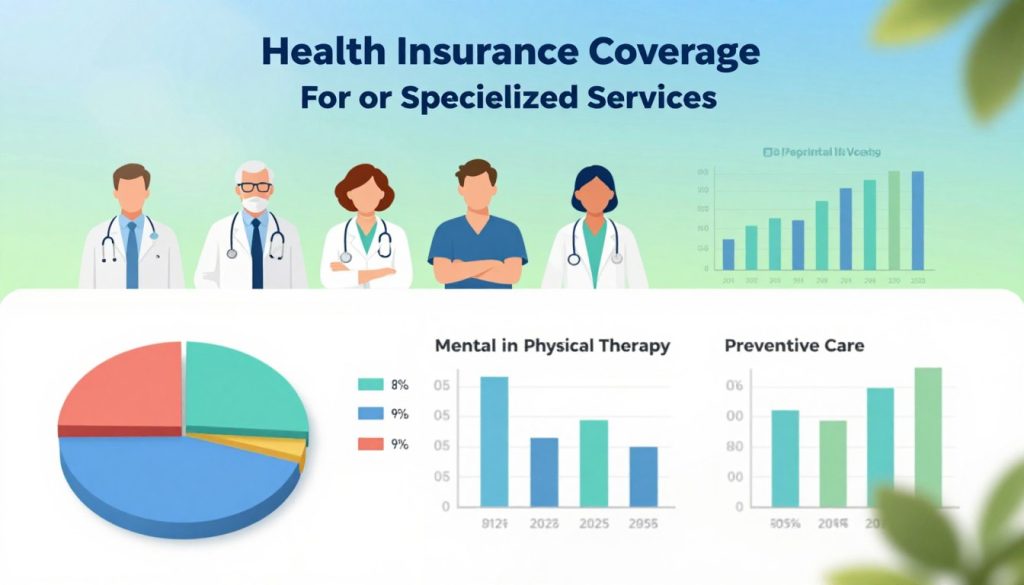
To illustrate the coverage breakdown for specialized services, consider the following table:
| Service | Coverage | Out-of-Pocket Cost |
|---|---|---|
| Mental Health Therapy | 80% covered | $20 copay |
| Maternity Care | 100% covered | $0 |
| Emergency Room Visit | 70% covered | $100 deductible + 30% coinsurance |
Step-by-Step Health Insurance Coverage Breakdown Process
Breaking down your health insurance coverage can seem daunting, but with a step-by-step approach, you can make informed decisions. This process involves several key steps that help you understand and compare your health insurance plans effectively.
Gather and Organize Plan Documents
The first step is to gather all relevant health insurance documents, including policy papers, coverage details, and any amendments or updates. Organizing these documents will help you have a clear overview of your current coverage.
Create a Personalized Coverage Checklist
Next, create a checklist that outlines the key components of your health insurance plan, such as deductibles, copayments, and out-of-pocket maximums. This checklist will serve as a quick reference guide to understanding your coverage.
Compare Plans Using Standardized Scenarios
To effectively compare different health insurance plans, use standardized scenarios that reflect your typical healthcare needs. This could include routine check-ups, specialist visits, or hospital stays.
Calculate Potential Annual Costs
Using Online Comparison Tools Effectively
Utilize online comparison tools to calculate potential annual costs for each plan. These tools can help you estimate expenses based on your coverage checklist and standardized scenarios. As “A recent study found that using online comparison tools can save consumers up to 30% on their health insurance premiums.”
By following these steps, you can conduct a thorough health insurance coverage breakdown, enabling you to make informed decisions about your healthcare. According to
“The key to making the most of your health insurance is understanding the details of your coverage.” – Health Insurance Expert
Conclusion: Making Informed Health Insurance Decisions
Understanding health insurance coverage details is crucial for making informed decisions about your health insurance plan. By breaking down the components of a health insurance plan, you can better navigate the complexities of health insurance coverage explanation and choose a plan that meets your needs.
A thorough understanding of health insurance benefits, including preventive care, specialized services, and prescription drug coverage, enables you to maximize your plan’s value. Evaluating network coverage, provider access, and out-of-pocket costs helps you make an informed decision when selecting a health insurance plan.
By following the step-by-step health insurance coverage breakdown process outlined in this article, you can confidently compare plans and choose the one that best suits your needs. Understanding health insurance coverage details empowers you to take control of your healthcare costs and make informed decisions about your health insurance.